
What is the Right Bobbin for my Sewing Machine?
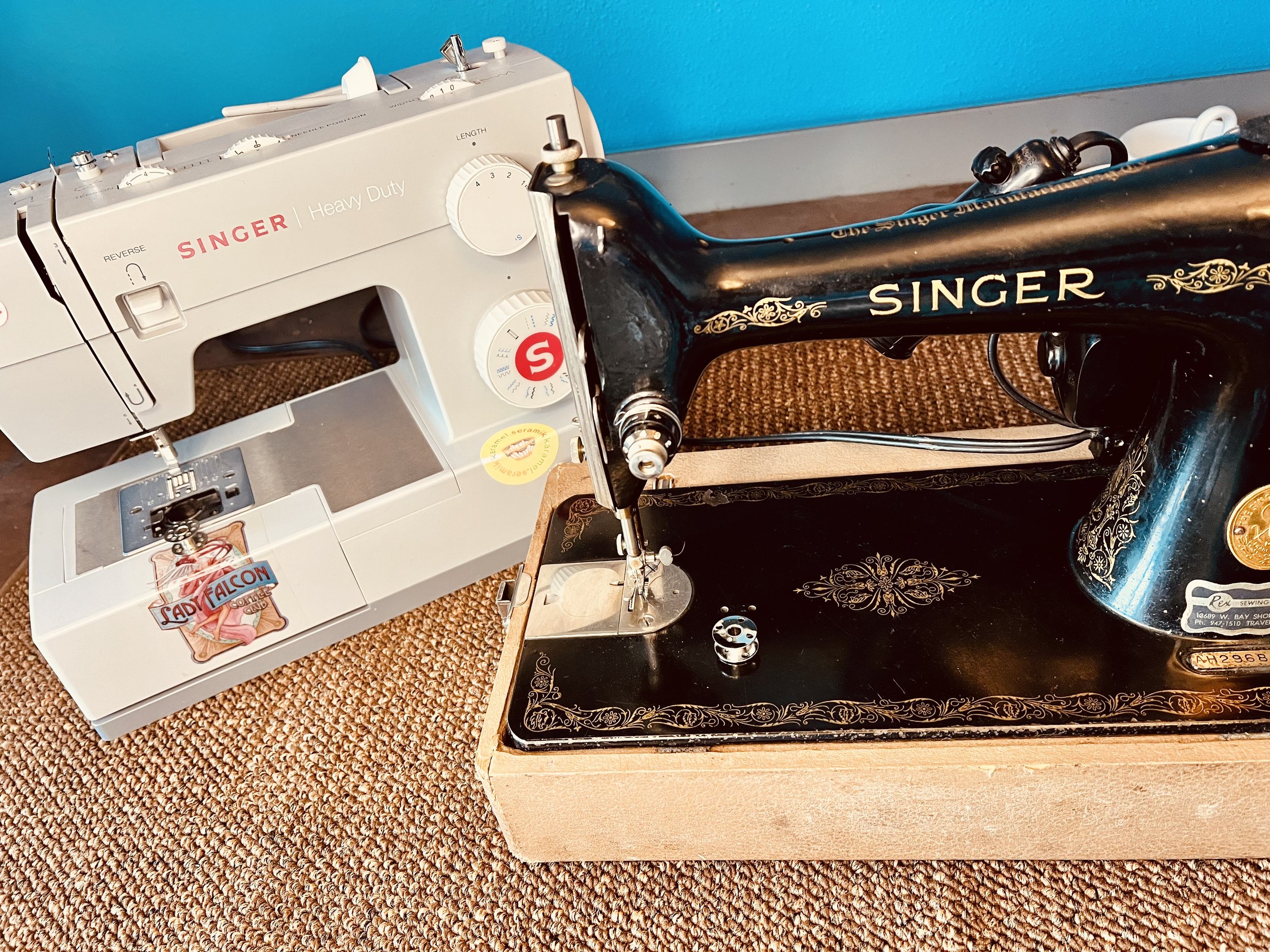
My two favorite ladies: Pauline - the antique Singer 66, and Bertha - the Singer Heavy Duty 4423
If your sewing machine is making strange noises, stitching unevenly, or just not quite behaving, the problem might be something surprisingly small: the bobbin.
Choosing the correct bobbin for your sewing machine model is essential for smooth, consistent stitching. It’s also one of the most common issues I regularly see — especially when bobbins look almost identical but behave very differently.
Let’s walk through how to choose the right one (and avoid a lot of frustration).
Why bobbin type matters
Bobbins may seem simple, but they’re part of a very precise mechanical system.
Your sewing machine is designed for a specific bobbin size, shape, and material. Using the wrong one can cause:
uneven or inconsistent tension
rattling or vibration
thread bunching underneath fabric
skipped stitches
In other words: small part, big consequences.
Common bobbin types
There are dozens of bobbin types, but a few come up most often in home machines:
Class 15 – very common, slightly taller profile
Class 66 – slightly flatter than Class 15
L-style (industrial) – used in many industrial machines
M-style – larger capacity, often for longarm or specific machines
Many modern home machines (including some Singer models) use Class 15, but it’s always worth confirming.
“But they look the same…”
This is where things get tricky.
Two bobbins can:
look nearly identical
fit into the bobbin case
even start sewing
…but still be wrong.
Even tiny differences in:
height
diameter
curvature
plastic vs. metal
can throw off tension and timing.
If your machine suddenly starts misbehaving after switching bobbins, this is a prime suspect.
How to find the correct bobbin for your machine
1. Check your manual
The most reliable source is your sewing machine manual. Look for:
bobbin class/type
part numbers
diagrams
2. Compare carefully
If you already have a bobbin that works well:
compare new ones side-by-side
check height and shape
avoid “close enough”
For example, I own and use two different Singers - a Heavy Duty 4423 and a vintage Model 66. While many Singer models, including my 4423, use a Class 15, the Model 66 needs a Class 66 - and it needs to be metal to work best.
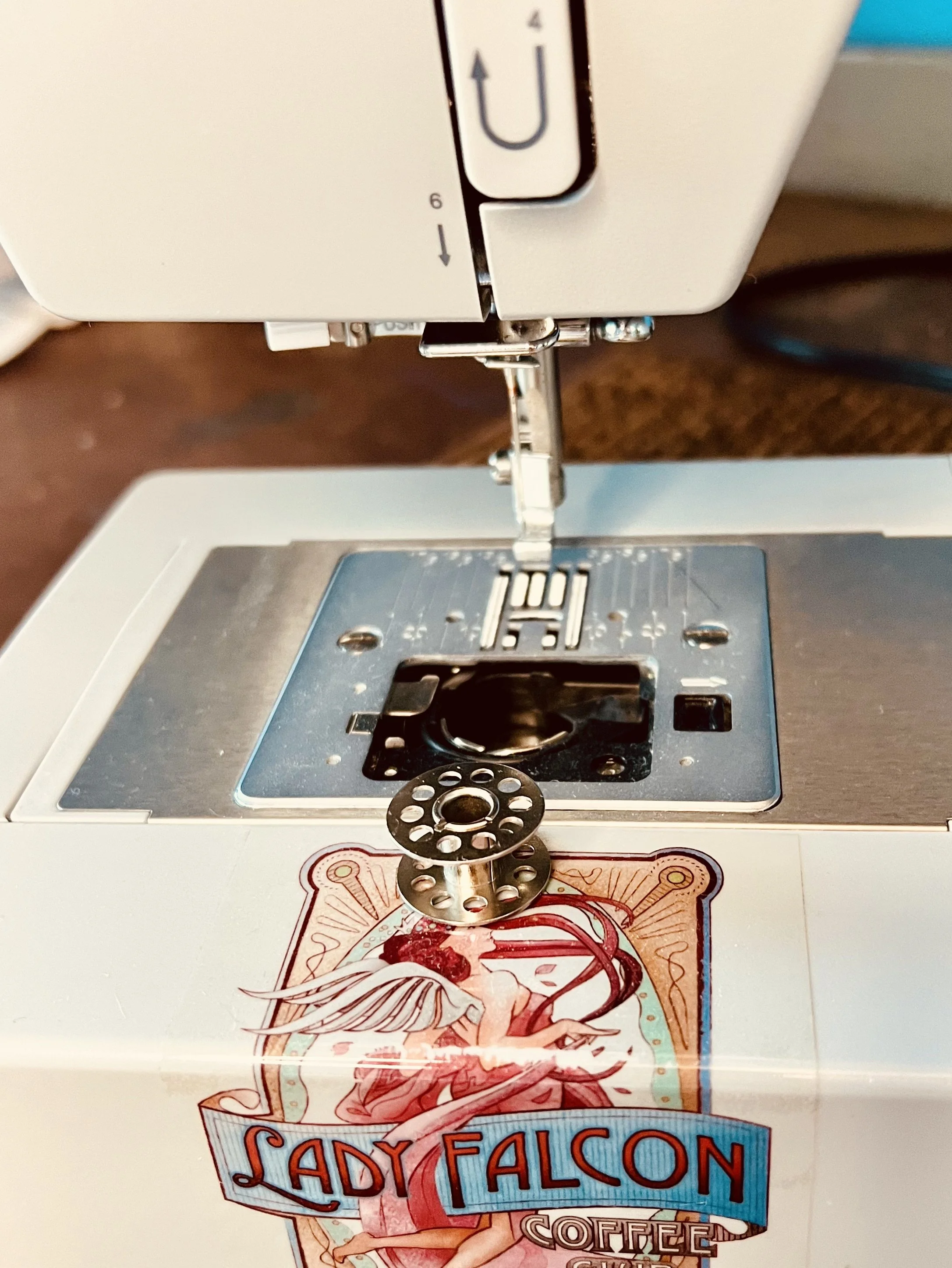
My trusty 4423 with her Class 15 metal bobbin
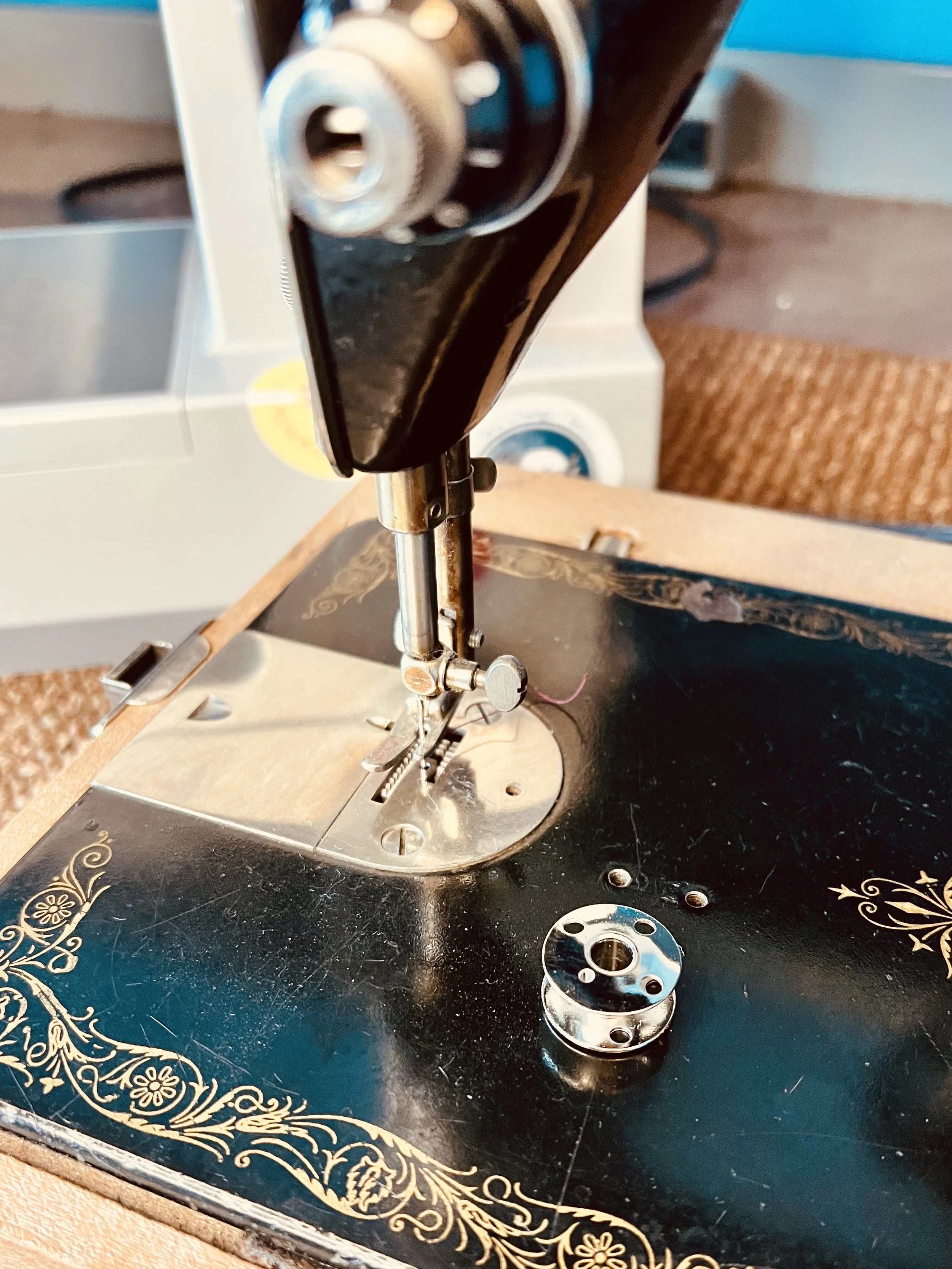
My beautiful old Singer 66 with her favorite kind of bobbin - a metal Class 66. She’s such a tank!
3. Look up your exact model
If you can’t find your manual, Sewing Parts Online lets you search with your machine’s make and model to find the exact one you need. You can usually use a generic bobbin of the right class with no issue, but some machines are especially picky creatures.
Stick with reputable sources when possible.
4. Be cautious with mixed bobbins
A common issue I see in sewing machine repair is a mix of slightly different bobbins in the same sewing kit.
Even if each one kind of works, switching between them can cause inconsistent results.
Plastic vs. metal bobbins
Some machines are designed specifically for one or the other.
Plastic bobbins are common in modern machines
Metal bobbins are often used in older or more heavy-duty designs
Using the wrong material can affect:
tension
wear on the machine
stitch quality
When in doubt, match what your machine came with.
Signs you might be using the wrong bobbin
Your machine was working fine, then suddenly isn’t
You hear new rattling or clicking sounds
Stitches are inconsistent or uneven
Thread is bunching underneath fabric
These issues don’t always mean the bobbin is wrong—but it’s one of the first things I check.
A note from the repair bench
Choosing the correct bobbin is one of those small details that makes a big difference. It’s also one of the easiest fixes once you know what to look for.
At Stabby Machine, I’m happy to help people sort out bobbin confusion. Sometimes it’s as simple as switching to the correct type—and suddenly the machine behaves beautifully again.
Need help with your sewing machine?
If you’re still not sure, ask me! I love helping people enjoy their sewing machines. I also offer sewing machine repair, cleaning, and maintenance in San Francisco and the surrounding Bay Area.
Sometimes the fix is simple. Sometimes it takes a bit more adjustment. Either way, getting your machine running smoothly again is always the goal.
